Is Your Betta Fish Unhealthy & Dying? Signs of Illness and How to Help
Your betta can’t tell you when something is wrong — but their body and behavior will. Most betta illnesses are detectable before they become life-threatening, and the earlier you spot the signs, the better the chances of a full recovery. This guide covers what an unhealthy betta looks like, how to use symptoms to identify the likely cause, and what steps to take next.
What a Healthy Betta Looks Like
Before you can recognize illness, you need a clear picture of normal. A healthy betta should show all of the following:
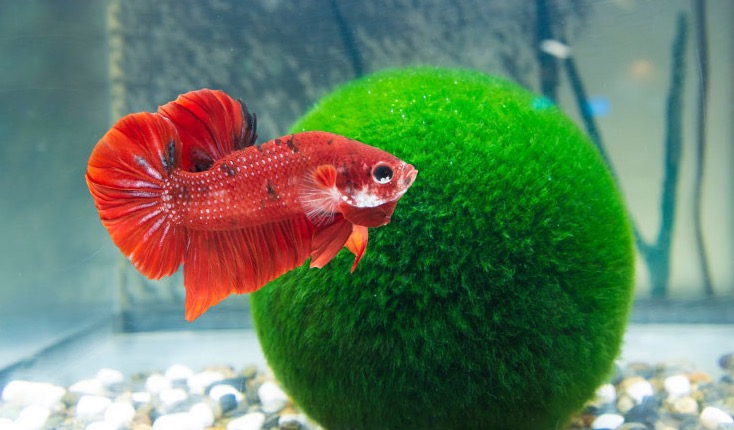
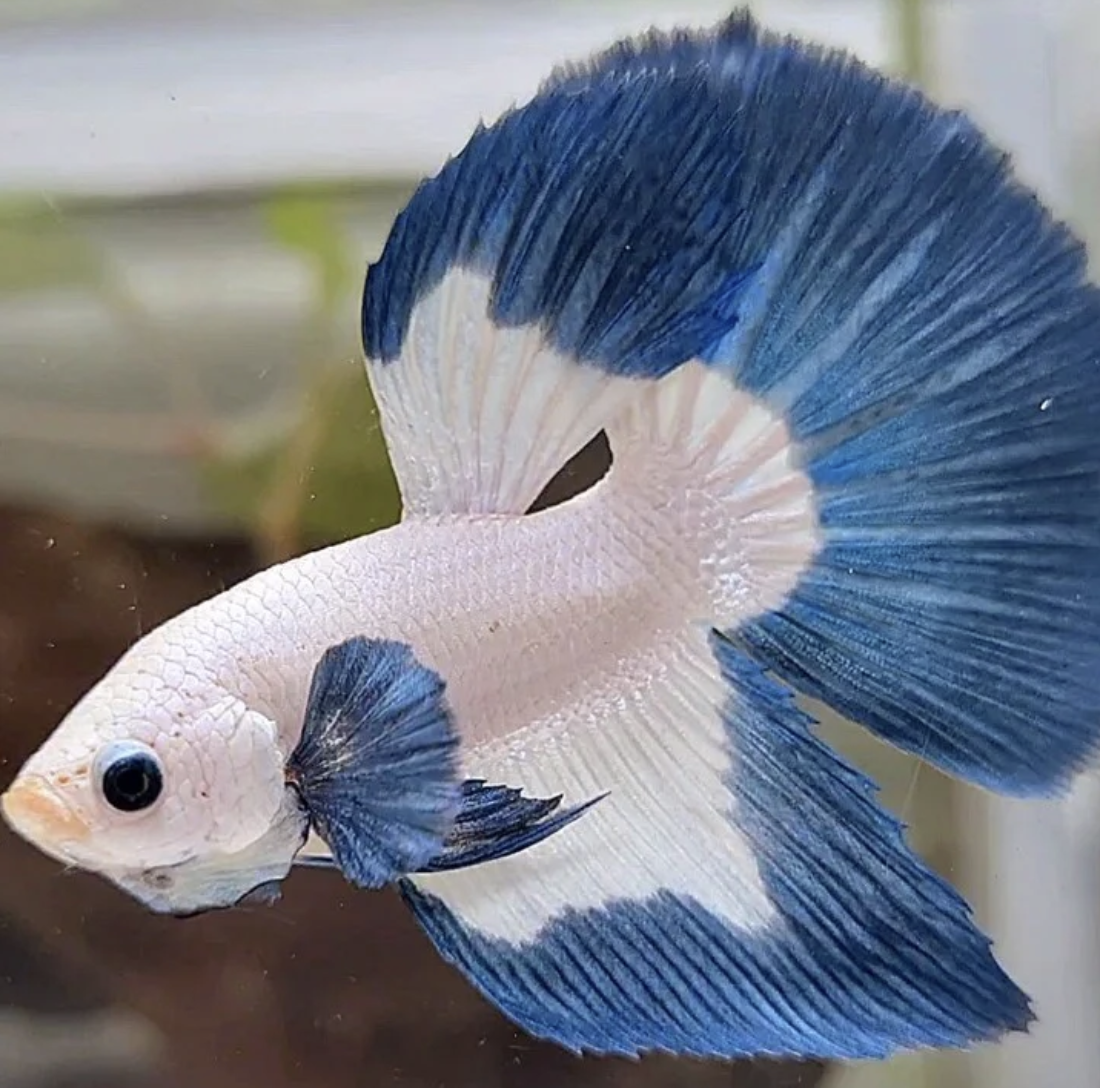
Color: Vivid and fully saturated, consistent with their normal pattern. Some natural color variation is fine, but a noticeable shift toward dullness, paleness, or gray tones is a warning sign.
Fins: Spread freely and flowing when the fish is relaxed and swimming. Minor fin thinning at the edges is normal in older bettas; active fraying, blackening, or clamping is not.
Eyes: Clear, symmetric, and sitting flush in the socket. Cloudiness, bulging, or any visible film over the eye should prompt immediate attention.
Body: Smooth scales, no growths, no bloating. A slightly rounded belly after feeding is fine — a persistently distended belly is not.
Behavior: Active, curious, and responsive. A healthy betta explores its tank, recognizes its owner, comes to the glass at feeding time, and reacts to movement. Prolonged hiding, hovering near the surface, or resting at the bottom are all off-baseline.
Take note of what “normal” looks like for your individual fish. Bettas vary, and knowing your betta’s personal baseline makes it much easier to catch early deviations.
Visual Signs of Illness
Faded or Changed Color
Color loss is one of the most consistent early warning signs across nearly every betta illness and stressor. Stress, poor water quality, temperature instability, infection, and aging all cause color fading. A betta that has lost significant color alongside other symptoms should be treated as sick until proven otherwise. See: betta losing color — causes and fixes.
Clamped Fins
Healthy betta fins fan out even at rest. Fins held tightly against the body indicate the fish is uncomfortable, stressed, or unwell. Clamped fins alone can be a stress response to environmental factors (cold water, aggressive tank mates, loud noises), but combined with other symptoms they point toward infection or disease.
Damaged, Fraying, or Discolored Fins
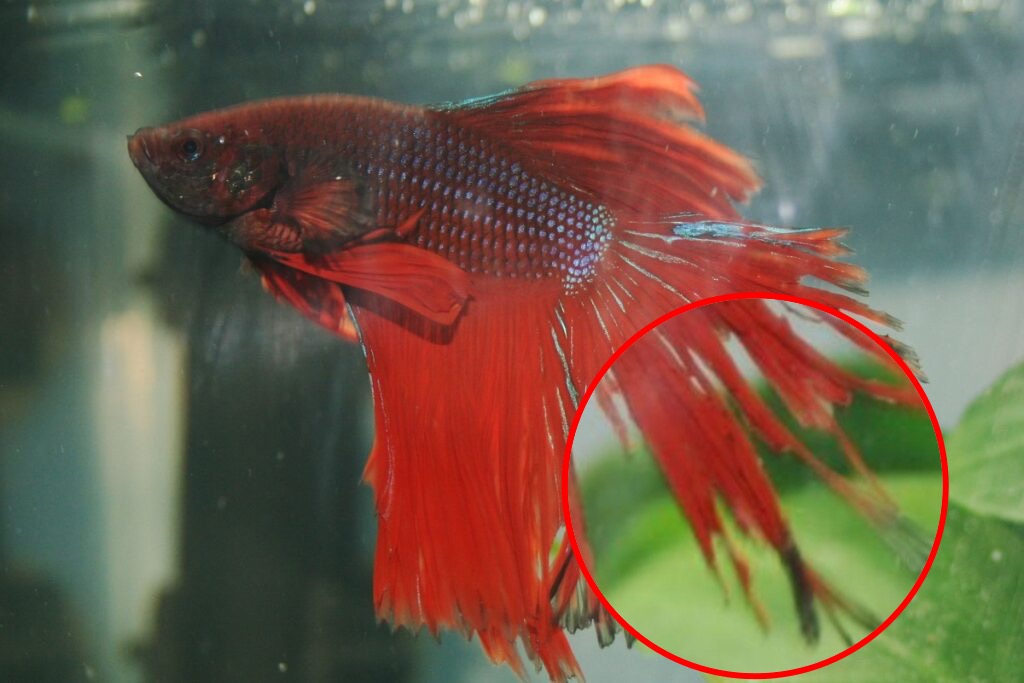
Fin edges that are ragged, frayed, or showing black, red, or white discoloration are classic signs of fin rot — a bacterial (sometimes fungal) infection that deteriorates fin tissue. Fin rot is common and treatable in early stages. Left too long, it can spread to the body. See: betta fish fin rot guide. If you’re unsure whether you’re looking at rot or physical damage, see: fin rot vs. fin loss.
Bloating or Distended Belly
A swollen belly can indicate several things with very different causes and severities. Overfeeding and constipation are common and usually minor. A bloated belly combined with scales sticking outward like a pinecone — a condition called pineconing — is the hallmark sign of dropsy, which involves organ failure and fluid retention and carries a poor prognosis. Always look at the scales, not just the belly, to tell the difference. See: dropsy in betta fish and betta fish constipation.
White Spots (Grain-of-Salt Appearance)
Tiny white spots scattered across the body and fins that resemble grains of salt are the signature presentation of ich (Ichthyophthirius multifiliis) — a highly contagious parasitic infection. Affected bettas usually scratch against tank objects and show labored breathing as the parasites irritate the gills. Ich requires prompt treatment; it spreads quickly and can be fatal if left untreated. See: ich on betta — full treatment guide.
Gold or Rust-Colored Dust on the Body
A fine dusty or velvety coating in gold, rust, or brown tones — often most visible under a flashlight held at an angle to the tank — indicates velvet, a parasitic disease caused by Oodinium. Velvet is often missed early because the coating can be subtle. Affected fish scratch, have clamped fins, and labored breathing. Velvet is contagious and must be treated immediately. See: how to treat betta fish velvet.
Bulging or Cloudy Eyes
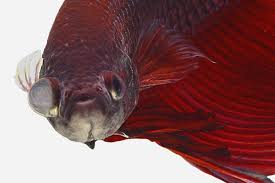
Eyes that protrude visibly from the socket — one or both — indicate popeye (exophthalmia). Popeye is a symptom, not a disease itself: the eye swells due to fluid or infection accumulating behind it. One eye affected usually points to injury; both eyes affected usually indicates a systemic bacterial infection. Cloudiness or a white film over the eye surface is a sign the condition is progressing. See: betta fish popeye guide.
White Cotton-Like Patches or Gray Lesions
Fluffy white or grayish growths on the body, around the mouth, or on the fins point to either a fungal infection or columnaris — a bacterial disease also known as cotton mouth or saddleback disease. Columnaris can progress extremely rapidly (killing a fish within 24–72 hours in severe cases), so quick diagnosis and treatment is essential. Raising water temperature makes columnaris worse, unlike ich — do not treat them the same way. See: columnaris treatment guide.
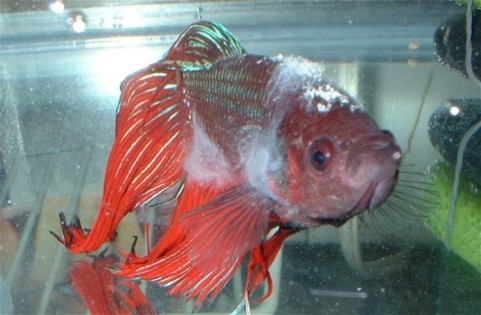
credit: Central Florida Aquarium Society
Missing Scales or Skin Lesions
Scale loss can result from physical injury (sharp decorations, aggressive tank mates), bacterial infection, or parasites. Look for additional symptoms to distinguish the cause. Raw or ulcerated skin alongside lethargy may indicate septicemia — a systemic bacterial infection that requires immediate antibiotic treatment. See: betta fish losing scales.
Visible Lumps or Growths
Abnormal lumps on or under the skin can be tumors (benign or malignant), cysts, or abscesses from infection. Tumors are more common in older bettas. Most cannot be treated at home; the priority is maintaining a stress-free environment and monitoring for changes. See: betta fish tumor guide.
Behavioral Signs of Illness
Lethargy
A betta that spends prolonged periods motionless at the bottom of the tank, barely reacts to external stimuli, or has stopped its normal exploratory behavior is showing one of the most universal illness indicators. Lethargy can stem from cold water, poor water quality, infection, or internal disease — always test the water first. See: lethargic betta fish — causes and treatment.
Loss of Appetite
Bettas are enthusiastic eaters under normal conditions. Refusing food, ignoring feeding time, or actively spitting food back out are consistent early signs of nearly every betta illness. Do not keep feeding a sick betta in the hope it will eat — let the fish fast and focus on identifying the root cause. See: why your betta won’t eat.
Labored or Rapid Breathing
Bettas are labyrinth fish and some surface breathing is normal. Rapid gill movement, gasping repeatedly at the surface, or visible effort during breathing is not. This symptom most commonly signals ammonia poisoning, gill irritation from parasites, or bacterial gill infection. It is a medical urgency — test water immediately and perform a water change.
Erratic Swimming or Balance Problems
A betta floating sideways, sinking involuntarily, swimming in circles, or struggling to stay upright has a buoyancy problem most commonly linked to swim bladder disease. This is frequently caused by overfeeding, constipation, or infection affecting the swim bladder organ. See: swim bladder disease in betta fish.
Scratching Against Tank Objects
Repeatedly rubbing or flashing against decorations, substrate, or the glass — called “flashing” — is a response to skin irritation. It almost always indicates a parasitic infection. Ich and velvet are the two most common causes; both require immediate treatment.
Excessive Hiding
Some hiding is normal betta behavior, especially in newly set-up tanks or after tank rearrangement. Prolonged, unusual hiding in a fish that previously didn’t hide is a stress signal. Check for aggressive tank mates, environmental changes, and water quality issues first.
Symptom-to-Disease Reference Table
Use this table to cross-reference what you’re seeing with the most likely cause. Multiple matching symptoms narrow the diagnosis considerably.
| What You See | Most Likely Cause | Urgency | Guide |
|---|---|---|---|
| Grain-of-salt white spots on body/fins | Ich (white spot disease) | High — treat immediately | Ich guide |
| Gold or rust dust on body | Velvet (Oodinium) | High — contagious, treat immediately | Velvet guide |
| Frayed, blackened, or discolored fin edges | Fin rot | Medium-High (escalates fast) | Fin rot guide |
| Cotton-like patches on mouth or body | Columnaris or fungal infection | Very High — can be fatal within 48–72hrs | Columnaris guide |
| One eye bulging | Popeye (injury-based) | Medium — treat promptly | Popeye guide |
| Both eyes bulging | Popeye (bacterial/systemic) | High — may indicate internal infection | Popeye guide |
| Pinecone scales + extreme bloating | Dropsy (organ failure) | Critical — poor prognosis | Dropsy guide |
| Bloated belly, no pineconing, inactive | Swim bladder disease or constipation | Medium — often reversible | SBD guide |
| Red streaks on body + lethargy | Septicemia (bacterial bloodstream infection) | Very High — needs antibiotics immediately | Troubleshooting guide |
| Floating sideways or upside down | Swim bladder disease | Medium-High — fast and check water | SBD guide |
| Scratching against objects | Ich or velvet (parasites) | High — check for spots/dust | Ich guide |
| Missing scales, raw skin | Injury or bacterial infection | Medium — monitor for spreading | Scale loss guide |
| Cloudy or hazy eyes | Bacterial/fungal eye infection, or injury | Medium — treat promptly | Eye problems guide |
| Unusual lump or growth | Tumor, cyst, or abscess | Low-Medium — monitor closely | Tumor guide |
What Makes Bettas Sick
Understanding why bettas get sick is just as important as treating the illness — because most conditions are preventable and many are directly caused by avoidable care mistakes.
Poor water quality is the single leading cause of betta illness. High ammonia and nitrite levels directly damage gill tissue, suppress immune function, and create conditions where bacteria and parasites thrive. A betta in compromised water is a betta waiting to get sick. Test your water weekly using a liquid test kit; strips give a rough read but liquid tests are more accurate. See our full guide on betta fish water parameters.
Temperature instability is the second most common trigger. Bettas are tropical fish requiring stable water between 78–82°F. Temperatures below 74°F suppress the immune system dramatically and slow metabolism enough to mimic illness. Sudden temperature swings — even within the acceptable range — cause stress that opens the door to infection. A reliable, adjustable heater is non-negotiable.
Stress directly weakens the immune system. Stressors include aggressive tank mates, overcrowding, too-small tanks (under 5 gallons), strong filter currents, sudden environmental changes, inadequate hiding spots, and boredom. A chronically stressed betta will get sick far more easily than one in a calm, appropriate environment.
Physical injury from sharp decorations, rough substrate, or fin-nipping tank mates creates open wounds that serve as entry points for bacteria. Always check decorations with a tissue or pantyhose test — if they snag the fabric, they’ll damage fins.
Introducing infected fish or plants without quarantine is one of the fastest ways to introduce disease to an otherwise healthy tank. Ich, velvet, and columnaris can all hitch a ride on new arrivals. Quarantine everything new for at least two weeks.
Old age gradually reduces immune resilience. Bettas typically live 2–4 years; fish over 2–3 years old become more susceptible to illness even under good care. Learn more about lifespan factors: how long do betta fish live.
Step-by-Step: What to Do When Your Betta Is Sick
Step 1 — Test the water first. Before doing anything else, test for ammonia, nitrite, nitrate, pH, and temperature. A large percentage of sick-betta situations are resolved or significantly improved just by fixing water quality. Use a liquid test kit for accuracy. If ammonia or nitrite are above 0 ppm, perform a 25–50% water change immediately and retest.
Step 2 — Quarantine if you have tank mates. Move the sick betta to a clean hospital tank. This prevents disease from spreading to other fish, reduces competition stress during recovery, and lets you treat the water without affecting healthy fish or disrupting the nitrogen cycle in your main tank.
Step 3 — Identify the specific problem. Use the symptom table above and the individual disease guides to narrow down what you’re dealing with. Do not guess and medicate randomly — incorrect medication can stress the fish further, destroy beneficial bacteria, and waste critical treatment time.
Step 4 — Treat the identified condition. Follow the specific treatment protocol for the diagnosed condition. For a comprehensive, disease-by-disease guide with day-by-day protocols, medication compatibility warnings, and dosing information, the Wild Betta Blog Betta Care Bundle covers 10+ diseases with complete treatment plans in one place.
Step 5 — Support recovery. Clean water, stable temperature, and low stress are the foundation of every recovery regardless of the specific disease. Offer small amounts of high-quality food (brine shrimp or daphnia are easy to digest for sick fish) once the acute phase passes. Monitor daily and document what you observe — changes in symptom progression guide your next steps.
Step 6 — Know when to call in help. If symptoms don’t improve after a full, correct treatment course — or if the fish is clearly deteriorating despite appropriate care — consult an aquatic veterinarian. Bring water test results and photos of your tank setup.
When to Worry vs. When to Wait
Not every off-day means your betta is seriously ill. A betta resting more than usual after a tank water change, or looking slightly pale after being spooked, is not necessarily sick. Context matters.
Wait and monitor if: the symptom is mild and isolated (slightly reduced appetite for one day, minor lethargy after a water change), water parameters are perfect, and no other symptoms are present.
Act immediately if: multiple symptoms appear together, you see visible parasites or infections (white spots, gold dust, cotton patches), the fish is gasping or showing labored breathing, there is severe bloating or loss of balance, water parameters are out of range, or symptoms are rapidly worsening. For a full step-by-step diagnostic approach, see the betta fish troubleshooting guide.

Prevention: The Best Medicine
The majority of common betta illnesses are preventable. Consistent, attentive care eliminates most of the root causes before they can trigger disease.
Maintain water quality as a weekly habit — test, change, and document. Keep temperature stable with a reliable heater. Feed appropriate portions (small meals once or twice daily, with a weekly fast day) to prevent digestive-related disease. Quarantine any new fish or plants for two weeks before they enter your main tank. Remove sharp decorations and replace plastic plants with silk or live options. Give your betta adequate space — a minimum of 5 gallons, with 10 gallons preferred — and ensure the environment includes hiding spots and enrichment.
The effort required to prevent illness is far less than the effort (and stress, for you and your fish) of treating it. For a complete prevention and care system covering tank setup, water quality, feeding, and disease protocols: explore the Wild Betta Blog Betta Care Bundle.
Frequently Asked Questions
How do I know if my betta fish is sick?
The most common signs of a sick betta include clamped fins, faded color, lethargy, loss of appetite, labored breathing, bloating, and visible physical changes like white spots, growths, or damaged fins. A single symptom may be minor — multiple symptoms appearing together is more serious.
What are the most common betta fish diseases?
The most common betta fish diseases are fin rot, ich (white spot disease), velvet, swim bladder disease, dropsy, popeye, and columnaris. Most are caused or triggered by poor water quality, stress, or injury.
What does a healthy betta fish look like?
A healthy betta has vivid, fully saturated color, fins that fan out freely, smooth scales, clear and symmetrical eyes, active and curious behavior, a strong feeding response, and smooth, controlled swimming. Any deviation from this baseline is worth investigating.
What should I do first if my betta looks sick?
Test your water immediately. Ammonia and nitrite should be 0 ppm, nitrate below 20 ppm, and temperature stable between 78–82°F. Poor water quality is the root cause behind the majority of betta illnesses. Fix the environment before reaching for medication.
Can a sick betta fish recover?
Yes — many common betta illnesses are fully treatable when caught early. Fin rot, ich, velvet, swim bladder disease, and popeye all have good recovery rates with prompt, correct treatment. More serious conditions like advanced dropsy or septicemia have lower survival rates.
Why is my betta fish not moving but still alive?
A betta that is still but alive is most commonly dealing with cold water (below 76°F slows metabolism significantly), poor water quality, or early-stage illness. Check temperature and water parameters first. If both are fine, look for other symptoms to narrow down the cause.