Columnaris Treatment, Symptoms, & Disease

Columnaris forming around the gills and down the side of the body
Columnaris is one of the most dangerous bacterial infections a betta owner can face — not because it’s untreatable, but because it moves fast. A fish that looks slightly off in the morning can deteriorate rapidly by evening. Knowing what to look for and acting immediately makes the difference between a full recovery and losing your fish.
Quick navigation:
What Is Columnaris? | Symptoms | Causes & Risk Factors | Treatment | Temperature Warning | Prevention | FAQs
What Is Columnaris in Betta Fish?
Columnaris is a highly contagious bacterial infection caused by Flavobacterium columnare, a gram-negative bacterium that is naturally present in most freshwater aquariums. It goes by several names:
- Cotton wool disease — due to the fluffy, white, mold-like patches it can produce
- Saddleback disease — due to characteristic lesions that form near the dorsal fin
- Flexibacter infection — an older term from the bacterium’s former genus name
The bacteria are present in most tanks but usually only become a problem when a fish’s immune system is compromised — often due to poor water quality, stress, injury, or sudden changes in the tank environment.
Why It’s Dangerous
Columnaris can progress extremely rapidly, sometimes killing a fish within 24–72 hours if untreated. It’s also frequently misidentified as a fungal infection, leading owners to reach for the wrong medication and lose critical time. Early, accurate identification is everything. If your betta is showing any symptoms below, act today — not tomorrow.
One of the first things to do is test your water — poor water quality is the most common trigger for columnaris outbreaks.
Symptoms of Columnaris in Betta Fish
Columnaris can be easy to confuse with fungal infections in the early stages. Watch for these signs:
- White, gray, or yellowish cotton-like patches on the body, fins, or mouth — often with a more defined edge than true fungal growths
- Saddleback lesion: a pale or discolored patch across the back near the dorsal fin (a hallmark of columnaris specifically)
- Redness, inflammation, or ulcers on the skin and fins
- Fin rot — fraying or disintegrating fin edges
- Lethargy and loss of appetite
- Difficulty breathing or gasping at the surface
If you’re unsure whether you’re looking at columnaris or a fungal infection, the key practical difference is this: columnaris will not respond to antifungal medication alone. If patches aren’t improving after 48 hours of antifungal treatment, assume bacterial and switch to antibiotics. See our full betta disease guide for a side-by-side comparison of common infections.
Causes and Risk Factors
Columnaris is opportunistic — the bacteria are almost always present, but a healthy betta with good water quality can resist infection. Outbreaks typically occur when one or more of these factors are in play:
- Poor water quality: High ammonia or nitrite, low or unstable pH, and temperature swings are the most common triggers. These directly suppress immune function. Check your levels immediately using a reliable test kit — see our water parameters guide for ideal ranges.
- Stress: Overcrowding, aggressive tank mates, sudden environmental changes, and poor nutrition all weaken immune defenses over time.
- Injury: Open wounds or abrasions from sharp decorations or fin-nipping tank mates provide an entry point for bacteria. This is one reason scale loss and columnaris sometimes occur together — read our guide to betta fish losing scales if you’re seeing both.
- Betta anatomy: Their long fins and delicate skin make bettas more vulnerable to bacterial entry than hardier fish species.
- New fish or equipment: Introducing unquarantined fish, plants, or even second-hand equipment can introduce columnaris to a previously clean tank.
Water Testing: Your First Step
Because columnaris is so often triggered by water quality issues, testing your tank the moment you notice symptoms is critical. You’re checking for:
- Ammonia — should be 0 ppm
- Nitrites — should be 0 ppm
- Nitrates — ideally under 20 ppm
- pH — stable between 6.5–7.5 for bettas
- Temperature — stable between 75–80°F (see the temperature note below)
Treating the infection without fixing poor water conditions means your betta is likely to relapse even after a successful course of antibiotics.
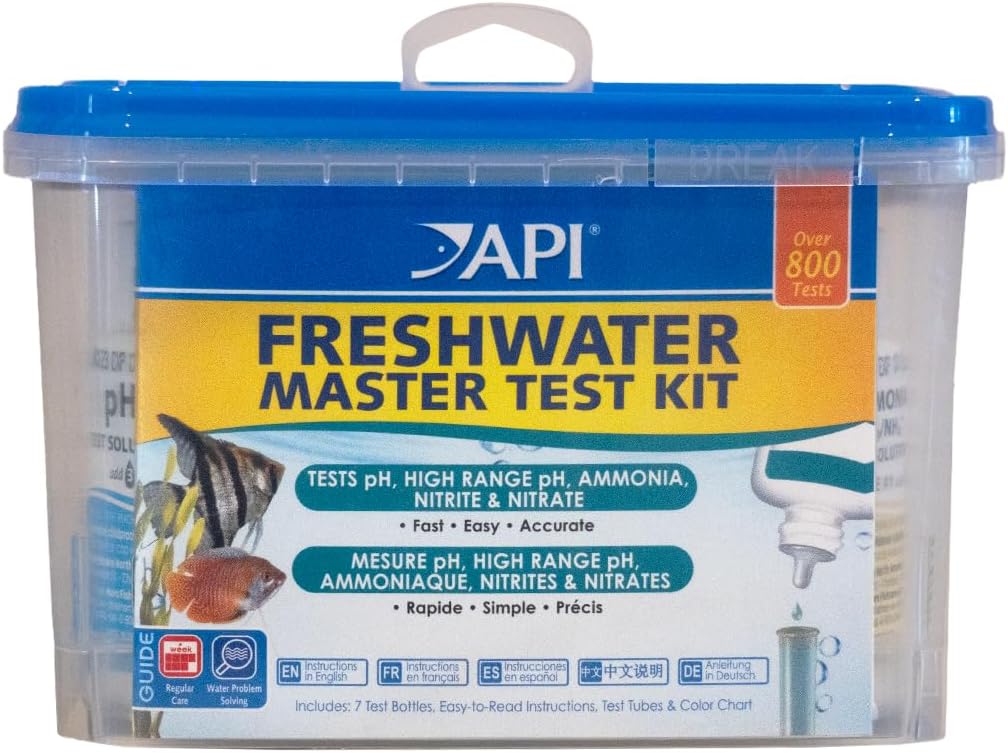 Click For Our Favorite Test Kit
Treating Columnaris in Betta Fish
Speed is everything here. Begin treatment the same day you notice symptoms. Here’s the full protocol:
Step 1: Isolate Immediately
Move your betta to a clean quarantine tank with stable water parameters and gentle filtration. This protects your main tank’s beneficial bacteria from antibiotic disruption and makes it easier to dose and monitor accurately.
Step 2: Choose the Right Antibiotic
Columnaris is a bacterial infection — antifungal medications like Pimafix will not cure it on their own. You need an antibiotic effective against gram-negative bacteria:
- Kanaplex (kanamycin) — one of the most effective options for columnaris. Treats gram-negative bacterial infections directly. Available here.
- Furan-2 — commonly used alongside Kanaplex for a combined attack on the infection. Course: 7–10 days.
- Maracyn-Two (minocycline) — another antibiotic option, typically used for 5–7 days, sometimes in combination with the above.
Always follow the dosage instructions exactly and complete the full course of treatment, even if your betta appears to have recovered early. Stopping antibiotics prematurely is a leading cause of antibiotic resistance.
Risks of prolonged antibiotic use to be aware of:
- Antibiotic resistance — overuse makes future infections harder to treat
- Disruption of beneficial bacteria in the gut and tank nitrogen cycle
- Potential stress on the liver and kidneys with extended exposure
For mild cases, antibacterial baths can be used alongside or instead of full-tank treatment. Follow label instructions precisely for concentration and duration.
API Pimafix can be used as a supportive treatment alongside antibiotics — it has some antibacterial properties and may help with secondary fungal issues — but it should not be your primary treatment for columnaris.
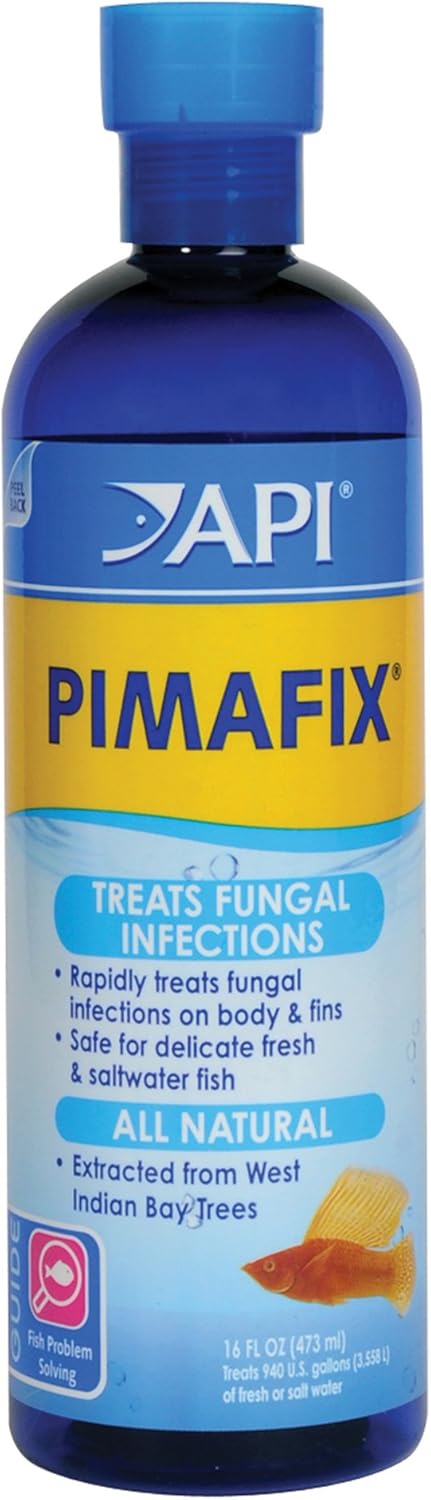 Click here to learn more about Pimafix
Step 3: Perform Daily Water Changes
Change 50% of the quarantine tank water daily throughout treatment. This removes bacterial waste and dead bacteria, prevents ammonia spikes from disrupting treatment, and keeps conditions as clean as possible for recovery. Test daily with your test kit.
Step 4: Epsom Salt (Optional Supportive Care)
Aquarium Epsom salt can help reduce internal swelling, support gill function, and create a slightly less hospitable environment for bacteria. Use as a supportive measure alongside antibiotics, not as a standalone treatment.
Step 5: Monitor Closely
Watch your betta daily for signs of improvement — reduced patching, increased activity, improved appetite. If symptoms worsen after 48–72 hours on antibiotics, consult a fish-savvy vet. For a broader guide to reading your betta’s health signals, see our article on betta fish behavior before death and our step-by-step troubleshooting guide.
⚠️ Important: Do NOT Raise the Temperature for Columnaris
This is one of the most common and dangerous mistakes betta owners make when treating columnaris. Raising aquarium temperature is a valid strategy for ich (white spot disease) — it speeds up the parasite’s life cycle and makes treatment faster. Columnaris is the opposite.
Flavobacterium columnare thrives and spreads faster at higher temperatures. If you raise the heat while treating for columnaris, you are actively accelerating the infection. During treatment, keep the temperature at the lower end of the safe range for bettas — around 75°F — to slow bacterial growth while the antibiotics work.
This is a critical distinction from ich treatment. If you’re unsure which infection you’re dealing with, our betta diseases guide has a comparison table to help you differentiate.
Preventing Columnaris in Betta Fish
Because Flavobacterium columnare is virtually impossible to fully eliminate from a tank, prevention is really about keeping your betta’s immune system strong enough to resist it. These habits make the biggest difference:
- Maintain excellent water quality: Test weekly and keep ammonia and nitrite at 0 ppm, nitrate below 20 ppm, pH between 6.5–7.5, and temperature stable. Our water parameters guide and temperature guide cover everything you need.
- Quarantine all new fish: Hold any new arrivals in a quarantine tank for at least 2–4 weeks before introducing them to your main tank. New fish are one of the most common ways columnaris enters a previously healthy setup.
- Reduce stress: Provide a spacious tank (5+ gallons minimum), plenty of hiding places, a varied diet, and avoid aggressive tank mates. Stress is the primary reason a fish’s immune system fails to hold columnaris at bay. See our complete betta care guide for a full healthy-environment checklist.
- Avoid cross-contamination: Don’t share nets, siphons, or equipment between tanks without disinfecting. Columnaris spreads easily on wet equipment.
- Feed a quality diet: Nutritional deficiencies weaken immune function. Our betta diet guide covers what to feed and how often for optimal health.
For a complete overview of betta health and disease prevention, grab the betta fish care guide ebook, or browse all of our articles via the Wild Betta Blog sitemap.
Frequently Asked Questions
What is columnaris in betta fish?
Columnaris is a highly contagious bacterial infection caused by Flavobacterium columnare. It’s also called cotton wool disease or saddleback disease and can kill a betta within 24–72 hours if untreated. The bacteria are present in most tanks but only cause disease when a fish’s immune system is weakened by stress, poor water quality, or injury.
How do I know if my betta has columnaris or a fungal infection?
Both produce white, fluffy patches, but columnaris patches tend to have more defined edges, a slightly yellowish tint, and spread much faster. Columnaris also commonly causes saddleback lesions near the dorsal fin and ulcers — less typical of fungal infections. Most importantly: fungal medications alone will not treat columnaris. If antifungal treatment isn’t working within 48 hours, assume bacterial and switch to antibiotics.
Should I raise the temperature to treat columnaris?
No — this is a critical mistake. Unlike ich, where raising the temperature is beneficial, higher temperatures accelerate Flavobacterium columnare growth. During columnaris treatment, keep the temperature at around 75°F to slow bacterial spread.
What is the best antibiotic for columnaris?
Kanaplex (kanamycin) and Furan-2, used together for 7–10 days, are widely considered the most effective combination for columnaris. Maracyn-Two is another option. Always complete the full course and follow dosage instructions exactly.
Can columnaris spread to other fish?
Yes — columnaris is highly contagious and spreads rapidly through water. Isolate any infected betta immediately. If other fish in the same tank were exposed, treat the main tank as potentially contaminated and monitor all inhabitants closely.