Betta Fish Tumor
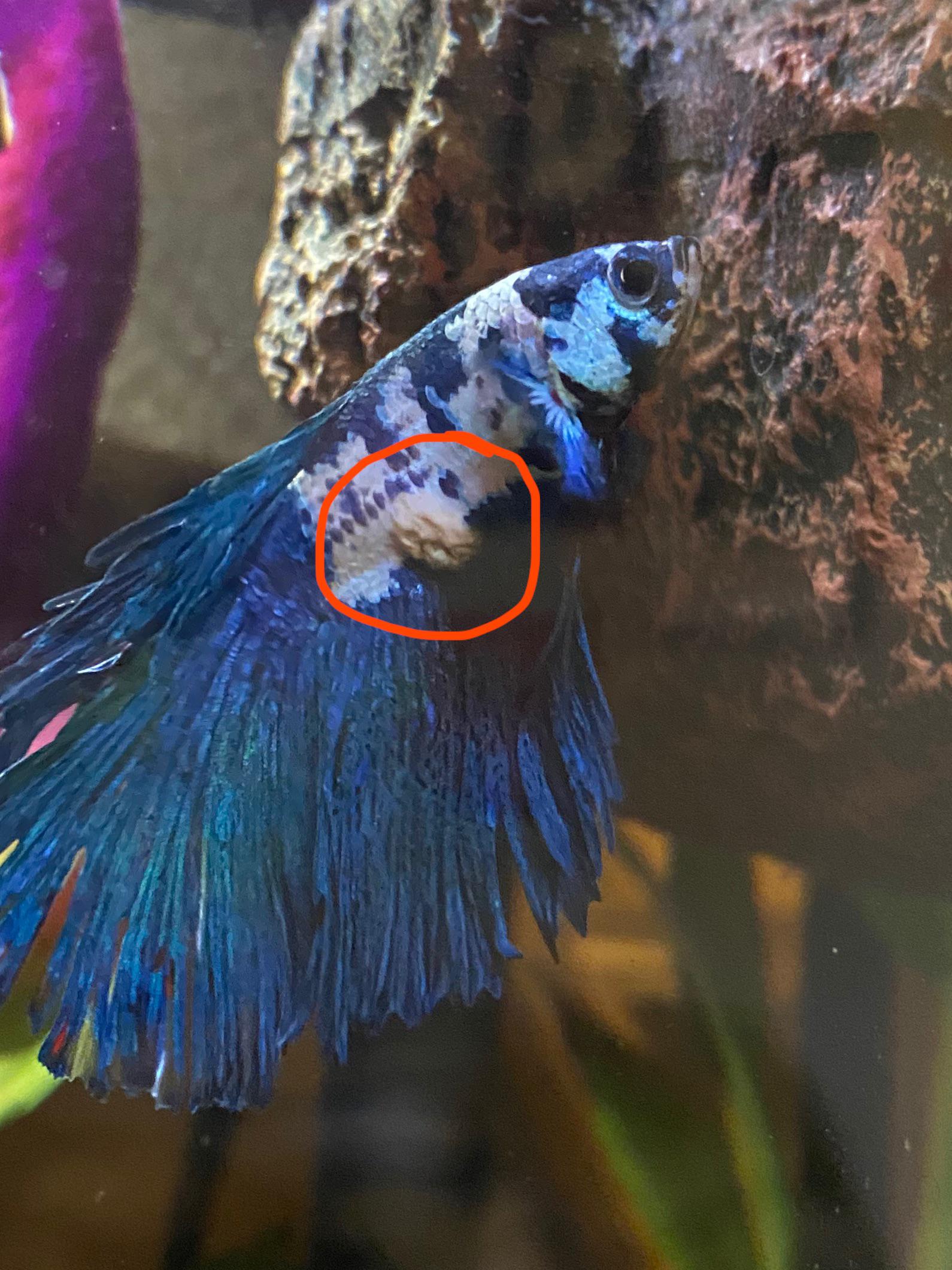
Betta fish tumor. Credit: Reddit
Finding a lump or unusual growth on your betta can be alarming. The good news is that not every growth is life-threatening — many bettas with benign tumors live comfortably for months or even years with the right care. This guide covers everything you need to know about betta fish tumors: what they look like, what causes them, how to tell them apart from other conditions, and what you can actually do to help your fish.
Click here for the complete betta fish care guide ebook
Quick navigation:
Identifying a Tumor | Symptoms | Causes | Not All Lumps Are Tumors | Treatment | Prevention | When to Consider Euthanasia | FAQs
Identifying a Tumor in Your Betta
Betta fish are loved for their stunning colors, graceful fins, and energetic nature. So it’s natural to feel worried when you notice a lump or tumor-like growth. Tumors in bettas generally fall into two categories:
- Benign (non-cancerous): More common, typically localized, and don’t spread to other tissues.
- Malignant (cancerous): Rare in bettas, but more dangerous as they can invade surrounding tissue and organs.
While tumors are often linked to genetics or aging, water quality and diet also play a role — making prevention and early detection especially important. If your betta seems off, it’s also worth reading our full guide to betta fish diseases and ailments to rule out other conditions.
Symptoms of Tumors in Betta Fish
Knowing the signs can help you act quickly. Watch for:
- Visible lumps: Tumors can range from small, barely-noticeable bumps to large, disfiguring growths.
- Discoloration: The growth may appear red, white, or darker than the surrounding tissue.
- Changes in swimming behavior: Difficulty maintaining balance or an altered swimming pattern. See our article on betta fish erratic swimming for more detail.
- Lethargy: Decreased activity, prolonged resting at the bottom of the tank, or hiding. This overlaps with many conditions — our lethargic betta fish guide can help you narrow things down.
- Loss of appetite: Refusing food or eating significantly less than usual. If appetite loss is your main concern, read why your betta won’t eat.
- Breathing difficulty: Gasping at the surface or rapid gill movement.
If you observe several of these symptoms together, consult a veterinarian who specializes in fish. Early diagnosis gives you the most options.
Causes of Tumors in Betta Fish
Tumors can develop from a number of contributing factors:
- Genetic predisposition: Some bettas are inherently more prone to tumor development due to their breeding lineage.
- Poor water quality: High ammonia, nitrite, or nitrate levels stress your betta and weaken their immune system over time. Check our betta water parameters guide to make sure your tank is in the right range.
- Low-quality diet: Nutritional deficiencies can increase the risk of abnormal cell growth. Learn what bettas should eat in our betta fish diet guide.
- Bacterial or fungal infections: These can produce abscesses and growths that closely resemble tumors — but are actually treatable.
- Aging: Older bettas are more prone to tumors as natural cell mutations accumulate over time.
Not All Lumps Are Tumors
Before assuming the worst, it’s worth ruling out other conditions that produce similar-looking bumps or swelling. Many of these are treatable with the right intervention:
| Condition | What It Looks Like | Treatment |
|---|---|---|
| Abscess | Localized white or pink lump caused by a bacterial infection | Clean water, antibacterial medication |
| Fungal Infection | Cotton-like or fuzzy growth on the body or fins | Antifungal treatments (e.g., methylene blue) |
| Ulcers | Red, inflamed sores from injury or infection | Water quality improvement, antibacterial medication |
| Dropsy | Generalized bloating with pinecone-like raised scales; caused by kidney failure or systemic infection | Epsom salt baths, antibacterial treatment, supportive care — note: aquarium salt is not recommended for dropsy |
| Swim Bladder Disease | Buoyancy problems — floating, sinking, or tilting — rather than a visible lump | Fasting, feeding deshelled peas, treating underlying infections if present |
| Parasites | Small raised bumps, cysts, or gold/white dusting caused by parasites like ich or velvet | Antiparasitic medication appropriate to the parasite species |
Not sure what you’re dealing with? Our betta fish troubleshooting guide walks through a step-by-step process for diagnosing common health problems.
How to Treat Tumors in Betta Fish
There is no surgical cure for betta fish tumors at home, but there is a lot you can do to support your fish and slow progression. Here’s the recommended approach:
1. Isolate the Fish
Move your betta to a quarantine tank to reduce stress, allow closer monitoring, and prevent any secondary infection from spreading.
2. Optimize Water Parameters
Clean, stable water is your single most powerful tool. Ideal parameters for a betta with a tumor are:
- pH: 6.5–7.5
- Ammonia: 0 ppm
- Nitrite: 0 ppm
- Nitrate: <20 ppm
- Temperature: 78–80°F
See our dedicated betta water temperature guide for help maintaining consistent heat, and our water parameters guide for a complete breakdown of what each reading means.

3. Use Medication If the Growth Is Infection-Based
If your vet or careful observation suggests the lump may not be a true tumor, targeted medication can help:
- Antibacterial treatments for abscesses or ulcers
- Antifungal medications for fungal growths
- Aquarium salt as a general supportive measure for external healing (note: aquarium salt is not appropriate for dropsy — see our dropsy guide for the correct treatment protocol)
4. Minimize Stress
Provide plenty of hiding spots, stable lighting, and avoid rearranging the tank. Stress suppresses immune function and can accelerate tumor growth. A calm environment is part of the treatment.
Our Favorite Betta Medication For Tumors
Preventing Tumors in Betta Fish
You can’t change your betta’s genetics, but you can significantly reduce their environmental risk factors:
- Feed a high-quality diet: Choose nutritionally balanced betta pellets and supplement with live or frozen treats like bloodworms or brine shrimp. Our betta diet guide covers exactly what to feed and how often.
- Keep water clean: Perform weekly partial water changes (25–50%) and use a reliable filter. Dirty water is the leading environmental cause of immune suppression in bettas.
- Quarantine new fish: Before adding any new tank inhabitants, quarantine them for 2–4 weeks to prevent introducing pathogens. Learn how in our quarantine tank setup guide.
- Reduce stressors: Stable temperature, gentle water flow, hiding spots, and a properly sized tank (5+ gallons minimum) all contribute to long-term health. A healthy immune system is your betta’s best defense.
For a broader overview of keeping your betta healthy long-term, our betta fish care guide is a great reference — or grab the complete care ebook for a downloadable reference you can keep handy.
When to Consider Euthanasia
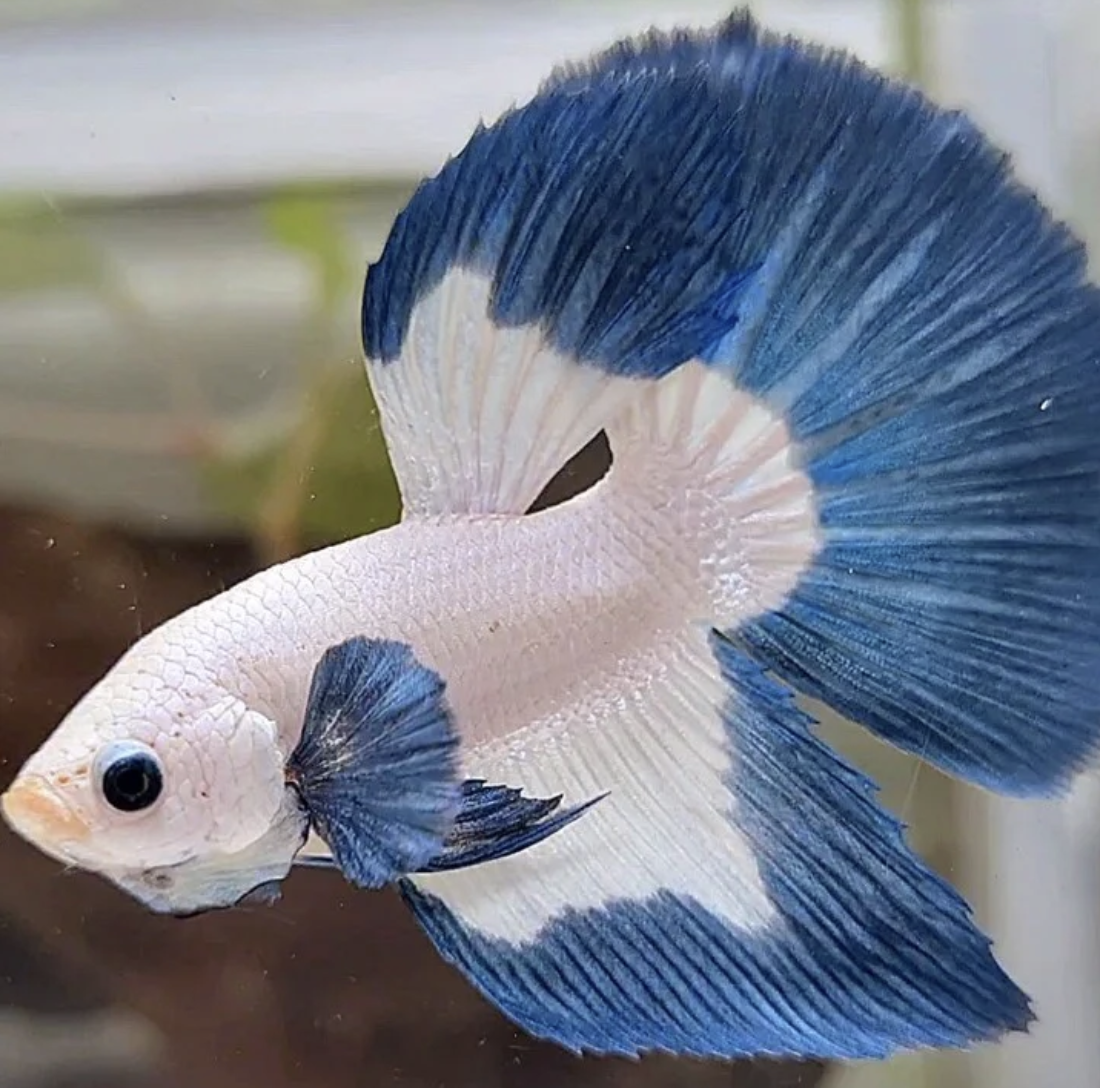
If your betta’s tumor has grown to the point where it causes constant pain, prevents eating, or makes swimming impossible — and treatment is no longer providing relief — euthanasia may be the kindest option. The most widely recommended humane method is clove oil: a small amount is added to tank water in a separate container, causing the fish to lose consciousness painlessly before cardiac activity stops.
For guidance on how to recognize when a betta is nearing the end of their life, our article on betta fish behavior before death can help you assess the situation and provide comfort care in their final days.
Frequently Asked Questions
Can betta fish survive tumors?
Yes. Many bettas with benign tumors live comfortably for months or even years with proper supportive care — clean water, minimal stress, and a nutritious diet. Malignant tumors are harder to manage, but maintaining quality of life is still possible.
How do I know if my betta has a tumor or a cyst?
Cysts are typically smooth, slow-growing, and fluid-filled. Tumors may feel firmer, grow more quickly, and are more likely to cause behavioral symptoms like lethargy or loss of appetite. A vet who specializes in fish is the only way to get a definitive answer.
Is every lump on a betta fish a tumor?
No. Lumps can be caused by abscesses, fungal infections, parasites, or even dropsy. Many of these conditions are treatable, so proper diagnosis matters before writing off a lump as cancer.
What causes tumors in betta fish?
The most common factors are genetic predisposition and aging. Environmental contributors include chronic poor water quality and poor nutrition, which weaken the immune system over time.
How do you humanely euthanize a betta fish?
Clove oil is the most widely recommended method. It sedates the fish quickly and painlessly, causing it to lose consciousness before cardiac activity stops. Never use freezing or flushing — these cause unnecessary suffering.
Looking for more betta health resources? Browse all of our care articles at the Wild Betta Blog sitemap, or start with our complete guide to betta fish diseases and the step-by-step troubleshooting guide.