Betta Fish Losing Scales
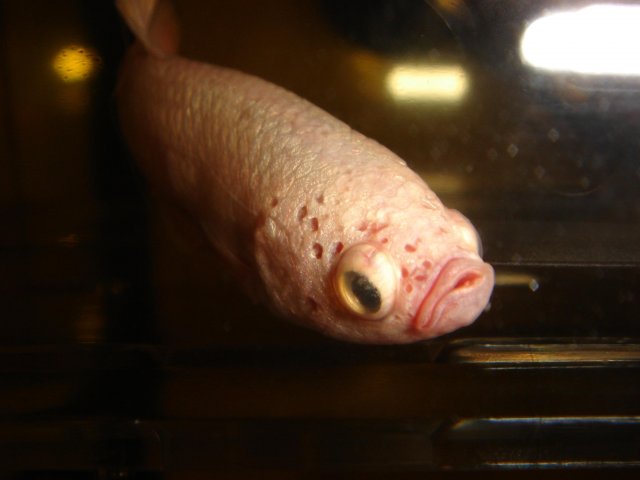
credit: Aquariacentral.com
Is your betta fish losing scales or looking patchy and dull? Scale loss can be alarming to see, but it’s also one of the more manageable health issues betta owners face — if you catch it early and address the root cause. This guide walks you through exactly why it happens, how to treat it, and how to make sure it doesn’t come back.
Quick navigation:
Causes | Diagnosing the Problem | Treatment & Recovery | Prevention | FAQs
Why Is My Betta Fish Losing Scales? Common Causes
Scale loss rarely happens without a reason. Here are the most common culprits:
Physical Injuries
Sharp decorations, rough gravel, abrasive ornaments, or aggressive tank mates can easily scrape or knock off a betta’s delicate scales. Even rough handling during tank maintenance can cause damage. Bettas have large, fragile fins and thin scales that are much more vulnerable than those of most other fish.
Bacterial, Fungal, or Parasitic Infections
Infections are a leading cause of scale loss. Different pathogens present differently:
- Bacterial infections (such as columnaris) may cause whitish patches, ulcers, redness, and rapid fin and scale deterioration.
- Fungal infections typically look like cotton-like tufts or fuzzy growths around affected areas.
- Parasites like ich (white spot disease) or velvet can damage the skin and scales as they burrow in and reproduce.
Watch for additional symptoms like redness, open sores, or behavioral changes. Our full guide to betta fish diseases has a detailed breakdown of each condition, symptoms, and treatments.
Poor Water Quality
Chronically poor water conditions are the single biggest environmental stressor for bettas. High ammonia, elevated nitrites or nitrates, unstable pH, and temperature swings all weaken your betta’s immune system over time — making them far more vulnerable to infections that cause scale damage. If you haven’t tested your water recently, that’s the first thing to do. See our betta water parameters guide for the full breakdown of ideal ranges.
Stress and Old Age
Chronic stress — from overcrowding, aggressive tank mates, sudden changes in environment, or an undersized tank — can suppress immune function enough that scale-damaging infections take hold. In older bettas, scale loss can also occur as a natural part of aging. Reducing stressors is part of both treatment and prevention.
Diagnosing the Problem
Before jumping to treatment, take a few minutes to gather information:
- Observe closely: Look for secondary symptoms — open wounds, discoloration, fuzzy patches, unusual swimming, or loss of appetite. Take photos or short videos to track changes over time and to share with a vet if needed. Our step-by-step troubleshooting guide can help you work through symptoms systematically.
- Test your water immediately: Use a reliable liquid test kit (not strips) to measure ammonia, nitrite, nitrate, pH, and temperature. Compare against ideal betta ranges: ammonia 0 ppm, nitrite 0 ppm, nitrate below 20 ppm, pH 6.5–7.5, temperature 78–82°F. Even if the water looks clear, invisible ammonia spikes are a common hidden cause.
- Inspect the tank: Check all decorations, ornaments, and plants for sharp edges. Run your hand gently over them — if it snags, it can snag your betta’s scales too. Look for signs of aggression from tank mates.
Treatment and Recovery
The right treatment depends on what’s causing the scale loss. Here’s how to approach each scenario:
If the Cause Is Physical Injury
Minor scrapes and scale loss from physical trauma often heal on their own — but only in clean, stable water. Here’s the recovery protocol:
- Perform a 25–50% water change immediately using conditioned water matched to the tank temperature.
- Continue water changes every 2–3 days until the wound visibly improves.
- Remove the hazard: Replace sharp decorations with smooth, rounded alternatives. Silk plants are a much safer option than plastic ones with rough edges.
- Reduce stress: Dim the lights, remove aggressive tank mates, and keep the tank in a quiet location while your betta heals.
- Aquarium salt (optional): One teaspoon per 5 gallons of water can support healing by reducing the risk of secondary infection. Monitor closely — some bettas are sensitive to salt. If you notice increased stress, discontinue use. Note: aquarium salt is not appropriate for dropsy — see our dropsy guide for the correct protocol.
- Monitor for infection: If the wound doesn’t show improvement within a week, or if redness and swelling worsen, treat as an infection (see below).
If the Cause Is an Infection
Infections need targeted treatment. Always consult a fish-savvy vet for a proper diagnosis if possible — incorrect medication can make things worse. General treatment options by infection type:
- Bacterial infections: Broad-spectrum antibiotics like Maracyn (erythromycin) or Kanaplex (kanamycin) are commonly used. Kanaplex is particularly effective for gram-negative bacterial infections.
- Fungal infections: Antifungal treatments like Maracyn-Oxy or Pimafix may help. Severe fungal infections often require stronger prescription medication.
- Parasitic infections: API General Cure or Paraguard are commonly recommended depending on the parasite involved. Always follow dosage instructions precisely — overdosing is stressful for bettas.
Move your betta to a quarantine tank before medicating. This protects your main tank’s beneficial bacteria and makes it easier to dose accurately. For a broader look at how to identify which illness you’re dealing with, our guide to sick and unhealthy bettas is a useful reference.
If the Cause Is Poor Water Quality
Act immediately — every hour of exposure to bad water slows recovery:
- Perform a 50% water change right away using conditioned, temperature-matched tap water.
- Test daily for the next several days to track ammonia, nitrite, nitrate, pH, and temperature.
- Continue 25–30% changes every other day until all parameters are stable within ideal ranges.
- Once stable, establish a regular maintenance schedule — 25–30% weekly is the minimum for a filtered betta tank. Our water parameters guide and temperature guide cover everything you need to know about keeping conditions consistent.

Preventing Future Scale Loss
Once your betta has recovered, a few simple habits will dramatically reduce the risk of scale loss recurring:
- Choose safe decorations: Opt for smooth, rounded ornaments and silk or live plants. Before adding anything new to the tank, run the pantyhose test — if the fabric snags, your betta’s fins and scales will too.
- Maintain pristine water quality: Weekly partial water changes, regular filter maintenance, and consistent testing are non-negotiable. Poor water quality is the number-one preventable cause of betta illness. See our complete betta care guide for a full routine.
- Manage tank mates carefully: Bettas are territorial and easily stressed by fin-nipping or aggressive companions. If you keep bettas with other fish, make sure the tank is large enough and well-planted to reduce conflict. Read more about betta aggression and compatible tank mates.
- Handle with care: Always use a soft, fine-mesh net for any transfers. Never squeeze or drop your betta, and avoid handling more than necessary.
- Quarantine new fish: Any new fish or plants added to the tank can introduce pathogens. A 2–4 week quarantine in a quarantine tank before introduction is the simplest way to protect your betta.
For a complete overview of long-term betta health — including diet, tank setup, and disease prevention — check out the betta fish care guide ebook, or browse all of our care articles via the Wild Betta Blog sitemap.
Frequently Asked Questions
Why is my betta fish losing scales?
The most common causes are physical injury (from sharp decor or aggressive tank mates), bacterial or fungal infections, and poor water quality. Stress and old age can also contribute. Identifying the root cause is the first step to effective treatment.
Will my betta’s scales grow back?
Yes — bettas can regrow lost scales in clean, stable water, typically within a few weeks. The new scales may initially appear lighter or darker than the surrounding tissue but usually blend in over time. Recovery is fastest when the underlying cause is resolved promptly.
Can stress cause scale loss in bettas?
Stress itself doesn’t knock scales off, but it significantly weakens the immune system, making your betta far more susceptible to the infections and injuries that do cause scale loss. Reducing stressors — overcrowding, aggression, temperature swings, bright lights — is an important part of both prevention and recovery.
What does a betta with a bacterial infection look like?
Bacterial infections in bettas often present as redness, open sores or ulcers, frayed fins, fuzzy patches, or whitish areas around the mouth and body. Scale loss frequently accompanies these symptoms. Broad-spectrum antibiotics like Maracyn or Kanaplex are commonly used. See our betta diseases guide for more detail on identifying specific infections.
Is scale loss in bettas contagious to other fish?
Scale loss itself isn’t contagious, but the underlying cause often is. Bacterial, fungal, and parasitic infections can all spread to tank mates. Quarantine your betta as soon as you notice scale loss — it protects your other fish and makes treatment simpler.