Dealing with Betta Fish Popeye & Bulging Eyes
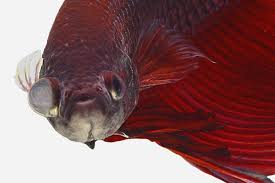
If your betta’s eye is swelling or bulging outward, you’re likely dealing with popeye — a condition formally known as exophthalmia. Popeye is not a disease itself but a symptom of an underlying problem, whether that’s a physical injury, bacterial infection, or poor water quality causing fluid buildup behind the eye.
The good news: when caught early, most bettas recover from popeye with the right treatment. This guide walks you through exactly what causes it, how to tell the difference between injury-based and infection-based popeye, and a step-by-step treatment plan to get your betta back to health.
In this article:
- What Is Betta Fish Popeye?
- Unilateral vs Bilateral Popeye
- What Causes Popeye in Betta Fish
- Symptoms to Watch For
- Step-by-Step Treatment Guide
- Epsom Salt vs Aquarium Salt
- Medications: Kanaplex, Erythromycin & More
- Recovery Timeline & What to Expect
- How to Prevent Popeye
- When Popeye Is a Sign of Something Worse
- Frequently Asked Questions
What Is Betta Fish Popeye (Exophthalmia)?
Popeye occurs when fluid, gas, or infection accumulates behind your betta’s eye, pushing it outward from the socket. The medical term is exophthalmia, and it can affect one eye (unilateral) or both eyes (bilateral).
It’s important to understand that popeye is a symptom, not a standalone disease. Think of it like a fever in humans — the bulging eye tells you something is wrong, but the underlying cause is what needs treatment. That cause could be as simple as your betta swimming into a decoration, or as serious as a systemic bacterial infection or organ failure.
Popeye is one of the more visually alarming betta ailments, but it is treatable in most cases — especially when caught early. If you’re unsure whether your betta is sick, our guide to signs of illness in betta fish can help you identify other warning signs.
Unilateral vs Bilateral Popeye: Why It Matters
The number of affected eyes is one of the most important diagnostic clues.
Unilateral Popeye (One Eye)
When only one eye is swollen, the most likely cause is physical trauma. Your betta may have bumped into a decoration, scraped against gravel, or been startled and collided with the tank wall. Unilateral popeye from injury often resolves with clean water and time — no medication needed in mild cases.
Bilateral Popeye (Both Eyes)
When both eyes are bulging, the cause is almost always systemic — meaning something internal is going on. This could be a bacterial infection, poor water quality creating chronic stress, or in rare cases, organ failure. Bilateral popeye requires more aggressive treatment and close monitoring.
What Causes Popeye in Betta Fish
Understanding the root cause is critical because the treatment depends entirely on what triggered the swelling. Here are the most common causes:
Physical Injury or Trauma
This is the number one cause of unilateral popeye. Sharp decorations, rough gravel, plastic plants, and even aggressive tank mates can injure the delicate tissue around a betta’s eye. If your betta was recently startled (lights turning on suddenly, a loud noise, a new tank mate), trauma is the likely culprit. To test whether your decorations are safe, run a pair of pantyhose over each surface — if the fabric snags, the decoration can injure your betta’s fins or eyes.
Poor Water Quality
Elevated ammonia, nitrites, or nitrates weaken your betta’s immune system and create the perfect environment for opportunistic infections. Chronically poor water is one of the most common contributing factors to infection-based popeye. If you’re not testing your water regularly, grab a water testing kit — ammonia and nitrite should always be at 0 ppm, and nitrates should stay below 20 ppm. For a deeper dive into optimal water conditions, see our betta fish water parameters guide.
Bacterial Infection
Gram-negative bacteria are the most common infectious cause of popeye. These bacteria are naturally present in aquarium water but can overwhelm a betta whose immune system is compromised by stress, injury, or poor water conditions. Bacterial popeye typically affects both eyes and may be accompanied by lethargy, loss of appetite, or other visible infections like fin rot.
Fungal or Parasitic Infection
Less common than bacterial causes, but fungal growths or parasites can also trigger swelling behind the eye. If your betta is showing signs of other parasitic diseases like velvet or ich alongside the popeye, the infections may be related.
Internal Disease or Organ Failure
In rare cases, popeye is a secondary symptom of a more serious internal condition such as dropsy (which signals organ failure and fluid retention) or mycobacterial infection (fish tuberculosis). If your betta has bilateral popeye alongside a bloated body, pinecone-like raised scales, or extreme lethargy, the prognosis is unfortunately more serious.
Symptoms of Popeye in Betta Fish
Catching popeye early gives your betta the best chance of a full recovery. Here’s what to look for:
Primary signs: One or both eyes visibly protruding or bulging from the socket. The swelling may develop gradually over a few days or appear suddenly after an injury.
Secondary signs to watch for: A cloudy or white film developing over the eye surface, redness or inflammation around the eye socket, a visible white ring around the base of the eye, loss of appetite or refusal to eat (see our article on betta fish spitting out food if feeding issues are present), lethargy and reduced activity — spending more time at the bottom of the tank, color fading or clamped fins indicating stress.
Tip: Compare your betta to photos of when it was healthy. Changes in eye size are sometimes easier to spot through side-by-side photo comparison than by memory alone. If your betta also seems to be struggling with balance or floating issues, check our swim bladder disease guide — the conditions can occasionally overlap.
Step-by-Step Popeye Treatment Guide
Here is a complete treatment protocol for betta fish popeye, organized by severity.
Step 1: Isolate the Betta
If your betta has tank mates, move it to a clean quarantine tank. This prevents potential spread of infection and lets you treat without affecting other fish, plants, or beneficial bacteria. If your betta is the sole tank occupant, you can treat in its current tank — but start with a major water change first.
Step 2: Perform a Large Water Change
Do an immediate 50–90% water change using dechlorinated water matched to the tank’s current temperature (78–80°F is ideal). Poor water quality is either the cause of or a major contributor to most popeye cases. Clean water is the foundation of every treatment plan.
Step 3: Test Your Water Parameters
Use a water testing kit to check ammonia, nitrite, nitrate, and pH. If any readings are off, continue with daily 25–30% water changes until parameters stabilize. Target ranges: ammonia 0 ppm, nitrite 0 ppm, nitrate under 20 ppm, pH 6.5–7.5.
Step 4: Add Epsom Salt
Aquarium Epsom salt (magnesium sulfate) helps reduce the fluid retention behind the eye. Add 1 tablespoon per 5 gallons of tank water. Dissolve the salt in a cup of tank water before adding it. Epsom salt can remain in the water — just re-dose proportionally with each water change.
Step 5: Assess Whether Antibiotics Are Needed
For mild unilateral popeye (injury-based): Clean water + Epsom salt is often enough. Monitor for 3–5 days. If swelling decreases and your betta is eating and active, continue this protocol until fully resolved.
For bilateral popeye, worsening symptoms, or signs of infection: Move to antibiotic treatment (see medications section below).
Step 6: Remove Hazards
Inspect the tank for sharp decorations, rough edges, or plastic plants that could have caused the injury. Replace anything that fails the pantyhose test with betta-safe silk or live plants. If you need tank setup guidance, see our betta fish tank guide.
Epsom Salt vs Aquarium Salt for Popeye
This is one of the most commonly confused points in betta care, and using the wrong salt can make a difference.
Epsom salt (magnesium sulfate) is the preferred treatment for popeye. It works as an osmotic agent — drawing excess fluid out of swollen tissue. This directly addresses the fluid buildup behind the eye that causes the bulging. Dose: 1 tablespoon per 5 gallons.
Aquarium salt (sodium chloride) has general immune-supporting benefits and can help with external parasites and mild infections, but it does not reduce swelling the way Epsom salt does. Aquarium salt is better suited for conditions like fin rot or columnaris.
Do not combine both salts in the same tank. Pick one based on the condition you’re treating. For popeye specifically, Epsom salt is the right choice.
Medications for Betta Fish Popeye
If clean water and Epsom salt alone aren’t resolving the issue within 3–5 days, or if your betta has bilateral popeye with signs of infection, it’s time for antibiotic treatment.
Kanaplex (Kanamycin) — First-Line Treatment
Kanaplex by Seachem is the most widely recommended antibiotic for betta popeye. It is effective against the gram-negative bacteria most commonly responsible for infection-based exophthalmia. Follow the dosing instructions on the Seachem packaging exactly — typically one scoop per 5 gallons, dosed every 48 hours for up to three doses. Do a water change before each re-dose.
Important: Complete the full treatment course even if symptoms improve. Stopping antibiotics early can lead to antibiotic-resistant bacteria.
Erythromycin (Maracyn) — Second-Line Option
If Kanaplex does not produce improvement after a full course, erythromycin (sold as API E.M. Erythromycin or Maracyn) is the standard second-line antibiotic. Follow package directions for dosing and duration.
Maracyn Two (Minocycline)
Maracyn Two targets gram-negative bacteria specifically and can be used alone or in combination with Maracyn (which targets gram-positive bacteria). A combination approach covers a broader spectrum of possible infections.
A Note on Melafix and Bettafix
Tea tree oil-based products like Melafix and Bettafix are not effective against the bacterial infections that cause popeye. They may provide minor surface-level benefits, but they are not a substitute for proper antibiotics when infection is present. Some fishkeepers also report that Melafix can damage the labyrinth organ in bettas, so these products are best avoided.
Recovery Timeline & What to Expect
Recovery varies depending on severity and cause, but here’s a general timeline:
Days 1–3: With clean water and Epsom salt, you may see a slight reduction in swelling. Your betta’s appetite and energy may begin to improve.
Days 3–7: If antibiotics were started, the swelling should noticeably decrease. Any cloudiness over the eye may begin clearing.
Days 7–14: Most mild to moderate cases resolve within this window. The eye may still appear slightly larger than normal, but active bulging should be gone.
2–4+ weeks: Full cosmetic recovery. The eye may not look exactly as it did before — slight clouding or a minor size difference can persist permanently, but this typically doesn’t affect your betta’s quality of life.
What if the eye doesn’t fully recover? In severe cases, a betta may lose vision in the affected eye or, rarely, lose the eye entirely. Bettas adapt well to this — they can live full, healthy lives with one functional eye. Just keep the water especially clean while any open area heals.
How to Prevent Popeye in Betta Fish
Prevention comes down to three pillars: clean water, safe tank setup, and immune system support.
Maintain excellent water quality. Perform 25–50% water changes weekly. Test water parameters regularly with a testing kit. Keep ammonia and nitrite at 0 ppm and nitrates under 20 ppm. For more detail, read our complete water parameters guide.
Use safe, smooth decorations. Avoid plastic plants and decorations with sharp or rough edges. Silk plants, live plants like Java fern and Anubias, and smooth driftwood are all betta-safe options. Adding Indian almond leaves (catappa) provides beneficial tannins that support your betta’s immune system and create a more natural environment.
Keep your betta’s tank properly heated. Bettas are tropical fish that need stable temperatures between 76–82°F. Temperature swings stress the immune system and make bettas more vulnerable to infection. See our betta fish temperature guide for heater recommendations.
Provide a nutritious, varied diet. High-quality betta pellets supplemented with frozen or freeze-dried bloodworms, brine shrimp, and daphnia help keep your betta’s immune system strong. Read more in our guide to what betta fish eat.
Quarantine new tank mates. Always quarantine new fish for at least two weeks before adding them to your betta’s tank. This prevents introducing infections that could lead to popeye or other diseases. Our quarantine tank guide walks through the full setup process.
Avoid overcrowding and stress. A minimum tank size of 5 gallons with a gentle filter and appropriate hiding places keeps stress levels low. For help choosing the right setup, see our betta fish tank guide.
When Popeye Is a Sign of Something Worse
In most cases, popeye is treatable and not life-threatening. However, there are situations where it signals a more serious underlying condition.
Popeye + raised scales (pinecone appearance): This combination strongly suggests dropsy, which indicates organ failure and severe fluid retention. Dropsy has a very poor prognosis, and treatment options are limited.
Popeye that doesn’t respond to any treatment: If bilateral popeye persists through proper water management, Epsom salt, and a full course of antibiotics, the cause may be mycobacterial infection (fish tuberculosis). This condition is unfortunately incurable and eventually fatal. If your betta is clearly suffering with no improvement after exhausting treatment options, humane euthanasia may be the most compassionate choice — consult with an aquatic veterinarian if possible.
Popeye alongside multiple other symptoms: If your betta shows popeye combined with severe lethargy, extreme bloating, loss of color, and refusal to eat, refer to our full betta fish disease guide or our step-by-step troubleshooting guide to help identify what’s going on.
Frequently Asked Questions
Is betta fish popeye contagious?
Popeye caused by physical injury is not contagious. However, if the underlying cause is a bacterial, fungal, or parasitic infection, other fish in the tank may be at risk — especially if water quality is poor. Isolating the affected betta in a quarantine tank is always recommended.
Can a betta fish recover from popeye?
Yes, most bettas recover from popeye when treated early. Mild cases caused by injury or poor water quality often resolve with clean water and Epsom salt alone. Bacterial cases typically respond to Kanaplex (kanamycin). The eye may not return to its exact original appearance, but the fish can live a full, healthy life.
How long does it take for betta popeye to heal?
With proper treatment, mild popeye cases may begin improving within 3–5 days. More severe or infection-driven cases can take 1–3 weeks to fully resolve. Continue clean water maintenance and any prescribed antibiotic course even after swelling starts to decrease.
What is the difference between unilateral and bilateral popeye?
Unilateral popeye affects one eye and is most commonly caused by physical injury. Bilateral popeye (both eyes bulging) usually points to a systemic issue like a bacterial infection, internal organ problems, or severely poor water quality.
Can popeye cause my betta to go blind?
In severe or untreated cases, popeye can lead to a cloudy eye, permanent vision loss, or even loss of the eye itself. However, even bettas that lose an eye can live a normal life with proper care. Early treatment is critical to prevent permanent damage.
Should I use aquarium salt or Epsom salt for betta popeye?
Epsom salt (magnesium sulfate) is the better choice for popeye. It helps reduce fluid retention and swelling behind the eye. Aquarium salt (sodium chloride) supports general immune function but does not specifically address the fluid buildup that causes the eye to bulge. Use Epsom salt at 1 tablespoon per 5 gallons of water.
Can popeye go away on its own?
Mild unilateral popeye from a minor injury can sometimes resolve on its own if water quality is excellent. However, it’s risky to take a wait-and-see approach — at minimum, perform a large water change and add Epsom salt to support healing. If there’s no improvement within 2–3 days, begin antibiotic treatment.
Is popeye fatal for betta fish?
Popeye itself is rarely fatal. The danger comes from the underlying cause — if popeye is a symptom of a severe bacterial infection, dropsy, or organ failure, the outlook is more serious. Prompt treatment of the root cause gives your betta the best chance of survival.
________
Want a complete betta care reference you can keep on hand?
Our Betta Fish Care Bundle includes a 36-page guide covering diseases, medications, water parameters, feeding schedules, and emergency action plans — everything you need to keep your betta healthy.
Get the Betta Fish Care Bundle →
________
More from Wild Betta Blog: